Consulting

Research Shorts In Plain English: Time, Tone, and Value

I have always been a fan of the Common Craft “In Plain English” series of videos that explain concepts like Social Media (circa 2008) or Wikis. Often these videos demonstrate, outline, or explain a complex/novel idea. The concept of explaining ideas or video “how to’s” is not a novel idea, and these are perpetuated today as we see explainer videos on Personalized Learning and Augmented Reality for education.

In thinking about the research and scholarship we do, how often do we share our ideas openly and “in plain English” for others to digest? I have always been a fan of the lol my thesis; however, I am more impressed by those who can meet the Three Minute Thesis challenge or have contributed to the Research in Plain English blog posts in the #phdchat community. One reason I am a fan of all of the above is pure and simple – knowledge sharing. These acts/events require scholars to summarize the “so what” of their research and it requires scholars to engage with an unfamiliar audience, who might not read it in an academic publication. The sharing of research goes beyond the SPARC and open access rights (self/ paid publications) and open dissertations from our early career scholars (Thanks for the post, Bon). We also need to think about others beyond our discipline, research area, and ask — what are the practical applications of our research we need to outline from our journal articles or conference proceedings?

A couple of months ago George Veletsianos shared a Profhacker blog post about how we are Using Video and Audio to Share Our Scholarship with The Social Media and Digital Research Group. I think we are trying to provide access, share information, and put the word out about our findings and implications. How else can some of these evidence-based ideas get put into practice? Right? The issue is — some of this “beyond the academic publication” does take a bit of work.

videoscribeAs I have been tasked with developing a these “Research Shorts” on our YouTube channel, I thought I would share my experiences in what I have learned from scripting and visualizing publications. Also, I promised Ian a response to his comment [so sorry for the delay — it’s been a busy semester for me]:

Awesome post. Really a lot to think about! I have nothing to add in terms of interesting ideas on how to share the research – yours are really interesting and inspiring! However, I did start to wonder about time and tone.
In terms of time – how much does all this take you? And is it valued by your institution? For those of us more junior and precarious than yourself, it’s really hard to strike the balance between getting our research heard, and getting permanent jobs.
In terms of tone – your research fits animation wonderfully. I wonder how different type of research might manage to use video or audio styles, e.g. sociology that deals with sensitive issues. Then you’d need to be a master animator – or be able to pay someone who was – not to come across as crass.

Time: It does take some time. I am the dedicated person to put together most of the scripts for the videos you see on the YouTube Channel. This has been my task since June 2016.  Forget the time put in for data collection, coding/analysis, and academic writing for the journal publication, showcasing your work in this way does take a bit of effort. I do have a full-time faculty appointment and projects of my own beyond this task, so I did my best to fit in these 8 videos and another 4 “in editing” where I could. There are other things to consider — review of the script and edits, visualizations to collect (images, edits, and then some), waiting for audio narration by an author, and the final edits and uploads. Once in the groove of developing the scripts, getting the audio narration, and visualizing in the Audioscribe tool we use, the average time equation goes like this for one single video:

  • 1-2 hour for scripting (key points and findings for the article) +
  • 30-60 minutes for narration and setting up CC licensed music +
  • 5-6 hours putting the animations/drawings to the narration (this may vary) +
  • 1-2hour reviewing/editing +
  • 1-2hour rendering to YouTube & adding the closed captions from the script
  • = 12-15 hours total per article [May vary per article, i.e. if I helped to research/author]

Tone: Thanks for the compliments for the animation to audio — I appreciate it! (This is why this part takes the most time). This step varies by article topic. I used to draw storyboards at the beginning of this process, but once I became familiar with the VideoScribe platform functionality and repository of visuals — I just designed animations via the script. There are animations and images for different disciplines, including business, political science, journalism, natural sciences, etc. That being said, the free images are limited and you might have to search for other Creative Commons resources to add to the video. There are a number of drawings or animations available for free — no hiring of artist needed! It will require some solid search skills and a dash of creativity for “HOW” you want your audio narrative to be visualized.

Value: You asked about institutional value. Good question. The above does take some additional time and effort. I believe this dissemination of visualized research was actually written into a grant and/or our research project (George can verify). This premise is to widely share these research findings and evidence-based strategies to the scholarly community and practitioners in education. Sharing on YouTube offers additional optimization for reach, SEO, and tracking for views/shares + embedding into websites and blog posts. Also, the visual and narrated audio contextualizes the research, outlines the research questions, shares the study findings, and provides implications in a rich, multi-media format beyond the traditional text.

In drafting a short narrative for each academic journal article, I have put some thought into what goes into my script writing. Condensing a long-form publication into a 2-4 minute script is a fun and challenging task. It has forced me to think about my own research questions, identifying specific goals for implications, and to consider how I present “academic speak” or work to a broader audience. I want to make sure my research is understood, accessible and applied. This video/audio/scripting practice has made me think about my how I disseminate research while I’m in the thick of data collection, drafting articles, and sharing final products/findings.  I have used this summary format within my own research teams and I continue to support other early career scholars (in class or on a dissertation committee) about finding “the point” for empirical literature.

What would it take for you to offer a “research short” video, image, or snapshot of your scholarly work? If you are interested in animating your research, your project, or highlighting your work, please feel free to reach out to me to inquire. I have continued to support clients for the Research Shorts YouTube Channel (https://www.youtube.com/c/researchshorts) and other colleagues. Thanks!

#3Wedu, Podcast, wine, women, WomenWhoWine.edu

The #3Wedu Podcast No. 9: Elevate and Amplify

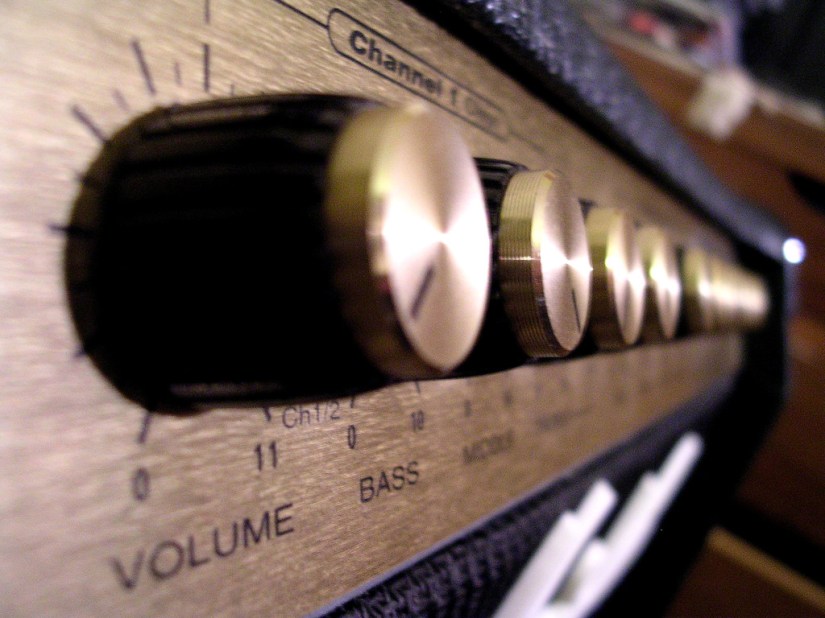
Do you ever think about how to best amplify one another in higher education? Jess Knott shared about this in her #3Wedu podcast blog post that included this article about amplification tactics, which left her staff thinking more critically about the voices heard around the table. Are we guilty sweeping comments from ladies aside in meetings? How do we amplify messages of our female peers in higher ed? How do you elevate other women in the field? Let’s share this message loud and proud. It’s time to turn the conversation about amplifying women in higher ed up to 11.

turnupto11

Image c/o Flickr user Kainet

Join the #3Wedu posse as we share strategies and stories for elevating our voice. Share your story and tweet with during episode no. 9.: Amplify & Elevate. Tune into YouTube LIVE  TODAY: Wednesday, September 21st  at 3 PM PT//6 pm CT // 6 PM ET

Watch the podcast here on the NEW YouTube LIVE feature (p.s. Google+ ON AIR Hangouts were killed on September 12th. R.I.P. G+ hangouts!]:

Networked Community

#NetworkedCoP: Networked Communities of Practice [RESEARCH STUDY]

The Networked Communities of Practice (#NetworkedCoP) study is created to explore how student affairs and higher education professionals participate in online networked communities. We would like to learn HOW and WHY graduate students, professional staff, senior administrators, and scholar-practitioners in higher ed are engaged with blogging, Facebook group discussion, Twitter chats, creating podcasts, using hashtags and more.

play-stone-1237457_1920

We see higher education staff using social media to not only network, but also support one another, provide learning opportunities, share knowledge, and contribute back to the field.


 Please consider participating in our study to share with more about your digital practices:

  • What communities you participate and interact with online?
  • Why do you contribute or interact with these networked communities?
  • How does your digital practice impact your professional identity and influence?
  • What type of professional development, networking, and learning have you experienced from these communities?
  • What benefits, challenges, and affordances occur within this networked practice?

To learn more about our study and participate by telling us about your networked community involvement [SURVEY] or more share more about your networked self [INTERVIEW], please visit our research website:

https://networkedcommunityofpractice.wordpress.com/

This research project is being conducted by Dr. Paul Eaton (Sam Houston State University) and Dr. Laura Pasquini (University of North Texas) and has been approved by the SHSU Institutional Review Board (#30423) and the UNT Institutional Review Board (#16-310).

MOOC, Online Learning, publication, Research

How Do Online Learners Overcome Challenges in MOOCs? [New Publication]

In analyzing recent MOOC research, a number of studies explore the vast amount of data collected by digital learning platforms to understand learning behaviors in these scaled classes. What we don’t know much about is:

  • How online learners resolve the problems
  • How students online persist in a course
  • The strategies MOOC students use to overcome challenges

In a new publication, The Life Between Big Data Log Events: Learners’ Strategies to Overcome Challenges in MOOCs, George Veletsianos, Justin Reich, and I share what we learned from talking to 92 MOOC students ages 21 to 81 enrolled in 4 different courses from North America, South America, Europe, Africa, Asia, and Australia. The whole paper is free and available for your reading pleasure at the new open access education journal, AERA Open, and check out the research findings presented in this short video summary created by moi:

During these interviews, we learned that there is so much more going on beyond the screen, tracking logs, and platform learning analytics. Learners shared how they engaging in the online course and activities in three domains:

  1. Describing their designated workstations and study methods for learning
  2. Utilizing online and outside resources beyond the learning platform
  3. Engaging with social networks both inside and outside the online course

Read more here:

Veletsianos, G., Reich, J., & Pasquini, L. A. (2016). The life between big data log events: Learners’ strategies to overcome challenges in MOOCs. AERA Open, 2(3); 1–10. doi: 10.1177/2332858416657002

#AcDigID, #AcWri, #phdchat, Academia, Higher Education, networkedscholar

#AcDigID: Academic Digital Identity Matters

Over the last few weeks, you might have noticed the #AcDigID hanging off a few of my social posts. In between #OLCInnovate conference wrap-up work and the end-of-semester fun, I was designing a new workshop I’ll be facilitating via the Online Learning Consortium. This 7-day, asynchronous, online workshop is designed to support digital identity development for faculty and staff in higher education.

#AcDigID_hashtag

Developing Your Social Media and Digital Presence

Workshop Description: What does your online identity look like today? Have you Googled yourself lately? In academia, it is becoming increasingly vital to publish and share your teaching, service, and research knowledge. Besides developing an online presence and utilizing social media for professional development, faculty and staff are actively utilizing open and digital channels to support, learn, and contribute a thriving network of connected scholars. In this workshop, you will explore meaningful ways to craft an active, online persona, learn about strategies to effectively include social media and digital resources for your professional development, and understand how an online community of practice can enhance the work you do.

Learning Objectives:

  • Evaluate social media and digital platforms for faculty professional development, connected learning, and research impact.
  • Establish effective strategies for developing an online digital identity for open, networked scholarship.
  • Outline the benefits and challenges of open and digital scholarship while using social

Dates Offered: May 16-22, 2016 and September 26-October 2, 2016; Registration Page (if interested in signing up)

Initially, I was asked to create a workshop around social media; however I thought this could be more. There’s actually a lot more than just social media needed when becoming a networked scholar and in crafting your digital persona. Academic social networks are on the rise and there are a number of reasons why scholars use social media and digital resources (Van Noorden, 2014). This is an important topic we to talk about with our peers in higher ed, as we are all public intellectuals now – at least in some shape or form.

If you have ever attended a webinar and/or concurrent session with me on the topic, there’s way too much to share in just 45-60 minutes – so I was thrilled to think about these issues in an extended format and to figure out how to best support academics interested in building their digital presence. It’s been fun planning this workshop, as it has made me return back to my blog archive, review the articles I have curated, visit texts I’ve read, and also pick up a couple of new ones to learn more (future blog posts to review these books soon!).

Here’s the outline for the #AcDigID workshop this coming week:

  • Why Does Social & Digital Identity Matter in Academia?
    • Getting started, digital identity development, and state of scholars online
  • The Tools of the Digital Academic Trade: Social Media
    • Twitter, hashtags, blogging, podcasting, LinkedIn, and more!
  • Being a Connected and Digital Scholar
    • Digital research impact and influence, ORCID iD, academic social networks designed for scholars, and measuring impact.
  • Openness in Academia: Benefits & Challenges
    • Being open in higher education, the tension between challenges and affordances of online, and experiences from networked scholars.
  • Building Your Social and Digital Presence Online
    • Creating your own space and place for scholarship (at least 3 platforms)
  • Developing Your Digital Academic Identity
    • Bonus: ways to aggregate and showcase your digital/social profiles

I am looking forward to sharing ideas and strategies for digital scholarship and identity online this week in the #AcDigID workshop. I don’t claim to know all, and I continue to learn – however I will say I am grateful for those networked scholars who have supported my digital developing along the way. That being said, I know some of you might have suggestions, experiences, stories, and more when it comes to academic digital identity development. I welcome this. If you are or have been a higher education faculty/staff who is/was on social media, academic networking sites, or just online – please consider giving some advice to my #AcDigID workshop participants.

#AcDigID ADVICE and RESOURCES WANTED for how you share your teaching, service, and research scholarship online:

  • ADD TO THE LIST: to my “Academics Who Tweet” Twitter list? I would like to get a variety of scholars from all disciplines and areas in higher education. Let me know if YOU or someone else should be added.
  • SUGGEST A HASHTAG: Do you follow a particular academic hashtag that my #AcDigID community should know about?

//platform.twitter.com/widgets.js

  • TELL YOUR #AcDigID STORY: Interested in coming to talk about your #AcDigID development? How did you become a networked scholar? Want to share your issues, challenges or affordances for your academic online self? Let me know – happy to have you during a synchronous, online meeting.
  • JOIN THE #AcDigID TWITTER CHAT: Join us for the live Twitter chat this coming Friday, May 20 from 1-2 pm EST – We will, of course, use the #AcDigID to ask questions and discuss the issues, challenges, and affordances of being a scholar online.

//platform.twitter.com/widgets.js

  • USE the #AcDigID HASHTAG this week to introduce yourself, say hello, share resources, or offer advice.

Reference:

Van Noorden, R. (2014). Online collaboration: Scientists and the social network. Nature, 512(7513), 126-129.